Fine Motor Worksheets and Activities for Preschoolers
- Free PDFs, no signup
- 50 printables
- US Letter and A4
- Complete pack: all 50 pages in one PDF
- Updated November 2026
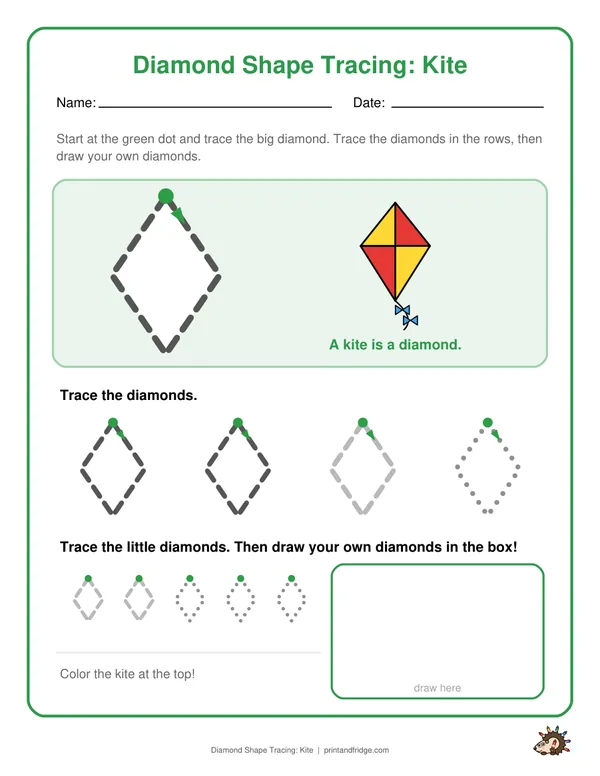
Fine motor worksheets for preschoolers build the small hand muscles a child needs before writing letters: tracing lines and curves, pre-writing strokes, scissor practice, dot to dot, first mazes, fold-up paper crafts and coloring inside big shapes.
By signing up you agree to our privacy policy and to occasional emails with new printables. Unsubscribe any time.
Thank you! Your PDF is downloading. If it did not start, tap here to download it.
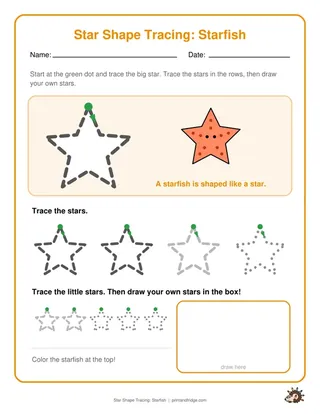
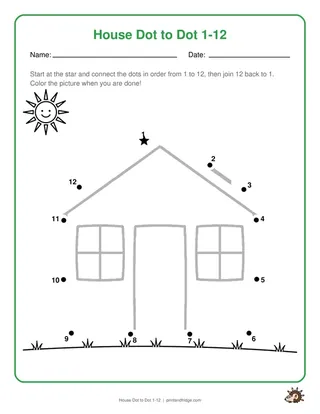
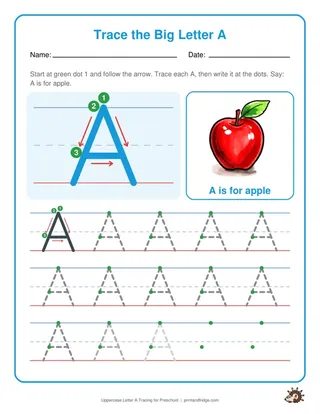
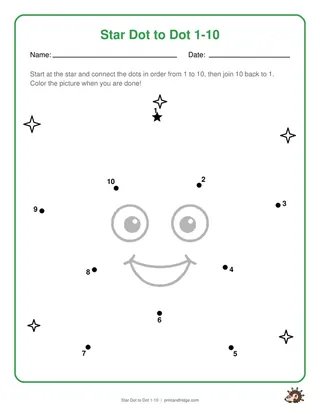




All 50 worksheets in one PDF
No need to download them one by one. Type your email and the whole pack downloads right away.
By signing up you agree to our privacy policy and to occasional emails with new printables. Unsubscribe any time.
Thank you! Your PDF is downloading. If it did not start, tap here to download it.




Liked these? Take all 50 worksheets in one PDF
One file, ready to print. Type your email and it downloads right away.
By signing up you agree to our privacy policy and to occasional emails with new printables. Unsubscribe any time.
Thank you! Your PDF is downloading. If it did not start, tap here to download it.
About these printables
Each page is one short job, about 10 to 15 minutes, made for ages 3 to 6.
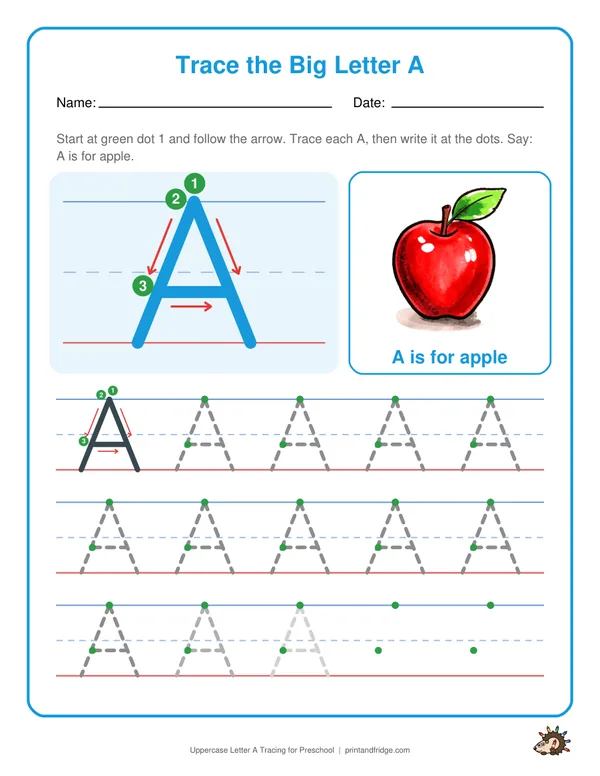
Use them as a ladder. Straight lines and big curves come first, then zigzags, loops and the first letters; mazes and dot to dot add planning to pencil control, and the crafts add cutting and folding. Every sheet is a free PDF on US Letter or A4 paper.
At a glance
- Pages
- 50 free printables, one PDF each
- Ages
- 3 to 6
- Levels
- Easy, Pre-K, Kindergarten
- Answer keys
- 12 of the 50 pages have one on page 2
- Paper
- US Letter and A4
- Play online
- 10 of them also work as a free browser game
- Complete pack
- all 50 pages in one PDF (box at the top of this page)
- Price
- free; every single page downloads with no sign-up
Tips for using fine motor worksheets and activities
- Tape the page to the table so it does not slide; the helper hand can then rest flat.
- Use short crayons or broken pieces to encourage a fingertip grip.
- Trace each line with a finger first, then with a crayon.
- Sit at a table where the child's feet touch the floor or a box; a stable body helps a steady hand.
- Mix paper work with play-dough, stickers and building blocks on other days.
Did you know?
- Children usually learn pre-writing strokes in this order: vertical line, horizontal line, circle, cross, diagonal lines, square and triangle.
- Copying a triangle, usually around age 5, is a common sign that a child is ready to write most letters.
- Strong hands come from play too: tearing paper, squeezing play-dough and picking up small objects all help.
Fun ways to use your printables
- Trace the lines with a toy car first, then with a crayon.
- Slide a tracing page into a sheet protector and use a dry-erase marker for daily practice.
- Let your child cut the finished dot to dot picture out and glue it on colored paper.
How to print
Click Download PDF and print at 100% on US Letter or A4 paper. 12 of the 50 pages come with an answer key (page 2 of their PDF; the page of each one says so), so choose “page 1” in the print dialog if you only want the practice page. Every page is free for home, homeschool and classroom use, so print as many copies as you need.
Frequently asked questions
What are fine motor skills?
The small, exact movements of the fingers and hands: holding a crayon, turning a page, using scissors, buttoning a coat. They grow with practice, and they are what makes handwriting possible later.
Which fine motor activities come first?
Big movements before small ones: tracing wide lines with a chunky crayon, then thinner lines, then curves and zigzags. Scissor snipping and coloring big shapes can run alongside. Letters come last.
How long should a fine motor session be?
Short. One page of 10 to 15 minutes is plenty for a 3 or 4-year-old. Stop while it is still fun and come back tomorrow; daily short practice works better than one long session.
What crayon or pencil is best for a preschooler?
Short, thick crayons or broken crayon pieces. A small piece makes the child hold it with the fingertips, which is the grip they need later for a pencil.
Can occupational therapists use these sheets?
Yes. Every page is free for home, classroom and therapy use, and you can print as many copies as you need.